
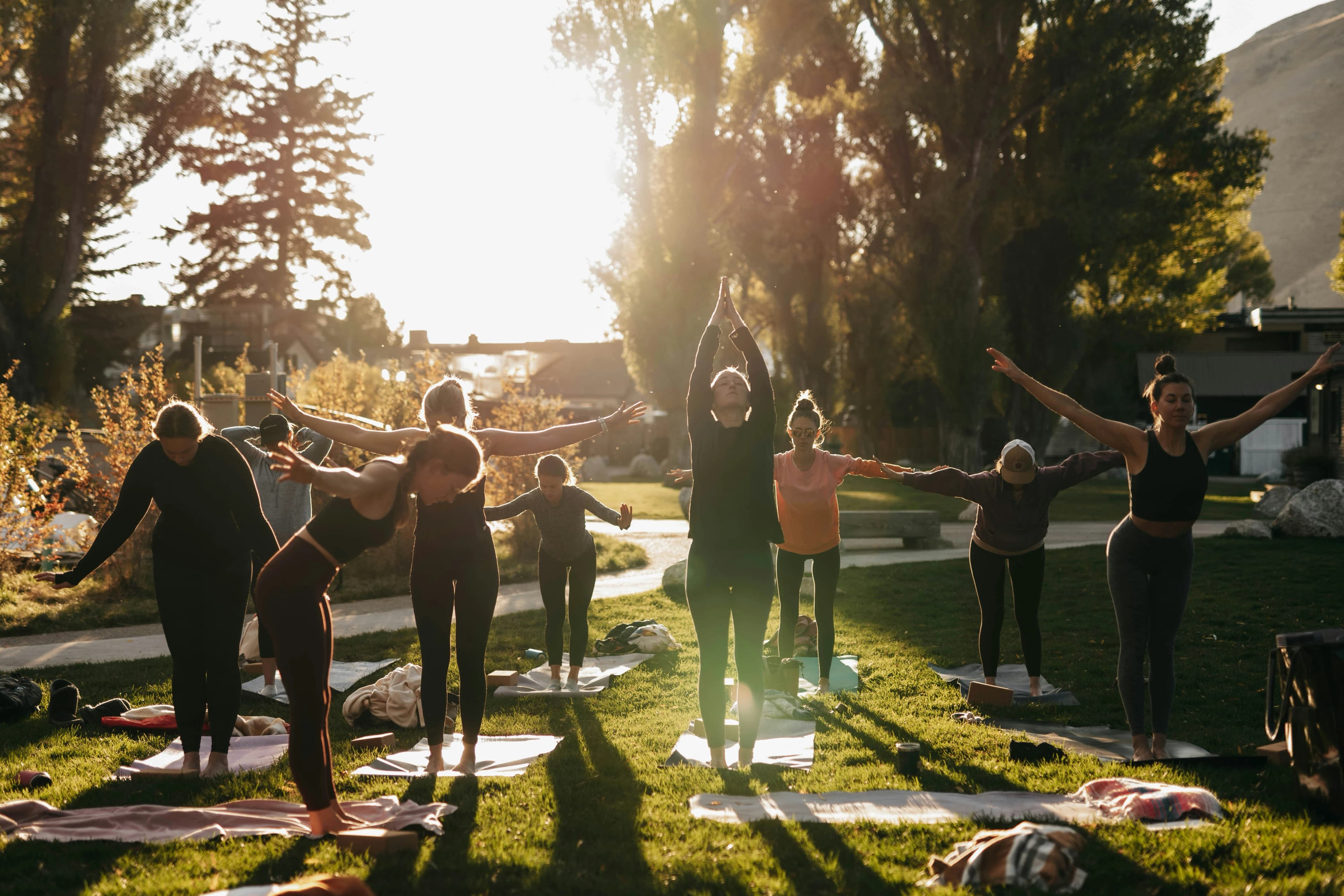
Over the past decade the concept of “wellness” has evolved from a niche interest into a global lifestyle movement. Today wellness culture is not just about fitness or dieting it has become a complete approach to living better thinking better and feeling better.
From mental health awareness to fitness routines digital detox habits and mindful living practices wellness culture is reshaping how people define success, happiness and productivity.
In a fast-paced digital world where stress, burnout and anxiety are increasing more people are shifting towards healthier more balanced lifestyles. This transformation is influencing industries, workplaces, social media trends and even personal relationships.
This article explores the rise of wellness culture and the key trends shaping modern living today.
What is Wellness Culture?
Wellness culture refers to a lifestyle movement focused on improving overall wellbeing physical, mental, emotional and even spiritual health.
It includes:
Healthy eating habits
Regular exercise
Mental health awareness
Self-care practices
Mindfulness and meditation
Work-life balance
Positive lifestyle choices
Unlike traditional health concepts that focus only on physical fitness wellness culture emphasizes holistic living.
Why Wellness Culture is Growing Rapidly
1. Increasing Stress in Modern Life
Modern lifestyles are fast, demanding and highly competitive. Work pressure, financial stress and digital overload have made mental health a priority.
2. Social Media Influence
Platforms like Instagram, TikTok and YouTube have popularized fitness routines, skincare self-care and healthy living content.
3. Mental Health Awareness
People are now more open about anxiety depression and burnout leading to a stronger focus on emotional wellbeing.
4. Post-Pandemic Lifestyle Shift
COVID-19 changed how people think about health, hygiene, fitness and home-based wellness routines.
Key Trends Shaping Modern Wellness Culture
Mental Health First Approach
Mental health is no longer ignored. People now prioritize therapy mindfulness and emotional wellbeing.
Popular practices include:
Meditation
Journaling
Therapy apps
Stress management routines
Digital Detox Movement
Excessive screen time has created a need for balance.
Digital detox trends include:
Screen-free weekends
Social media breaks
App usage limits
Offline hobbies
This helps improve focus and reduce anxiety.
Fitness as a Lifestyle Not a Trend
Fitness is no longer about extreme dieting or gym culture. It has become a daily lifestyle habit.
Modern fitness trends:
Home workouts
Walking routines
Yoga and Pilates
Functional fitness
Clean Eating and Nutrition Awareness
People are becoming more conscious about what they eat.
Trends include:
Organic foods
Plant-based diets
Sugar reduction
Balanced nutrition
Healthy eating is now seen as self-care.
Self-Care Revolution
Self-care has become a daily necessity not a luxury.
Examples include:
Skincare routines
Relaxation time
Mental rest days
Journaling and reflection
Rise of Mindfulness Practices
Mindfulness is widely adopted to manage stress.
Popular practices:
Meditation
Breathing exercises
Gratitude journaling
Present-moment awareness
Work-Life Balance Culture
Companies and individuals are focusing on balance.
Trends include:
Remote work flexibility
Reduced burnout culture
Flexible working hours
Mental health breaks
Sustainable and Eco-Friendly Living
Wellness is expanding into environmental awareness.
Lifestyle changes include:
Reducing plastic usage
Eco-friendly products
Sustainable fashion
Minimalist living
Sleep Optimization Movement
Sleep is now recognized as a key pillar of health.
Trends include:
Sleep tracking apps
Better sleep hygiene
Night routines
Blue light reduction
Personal Growth and Productivity Culture
Wellness also includes becoming better mentally and professionally.
Popular habits:
Goal setting
Habit tracking
Time management
Learning new skills
Impact of Wellness Culture on Society
Wellness culture is changing society in many ways:
Positive Impacts:
Better mental health awareness
Healthier lifestyles
Increased productivity
Improved quality of life
Stronger emotional intelligence
Challenges:
Over-commercialization of wellness
Pressure to “look healthy” online
Misleading health trends on social media
Wellness in the Digital Age
Technology plays a major role in modern wellness culture.
Helpful tools:
Fitness tracking apps
Meditation apps
Online workout platforms
Health monitoring devices
Future of Wellness Culture
The future of wellness will likely focus on:
AI-powered health tracking
Personalized fitness plans
Mental health integration in workplaces
Holistic lifestyle coaching
Digital detox as a standard practice
Wellness will continue to evolve as a core part of modern life.
Conclusion
The rise of wellness culture reflects a global shift toward healthier more mindful living. People are no longer satisfied with just success or productivity they want balance peace and long-term wellbeing.
From mental health awareness to fitness, nutrition mindfulness and digital detox practices wellness culture is shaping a new way of living that prioritizes both body and mind.
As this movement continues to grow the key is not perfection but consistency small daily habits that lead to long-term transformation.
Frequently Asked Questions
Wellness culture is a lifestyle focused on improving physical, mental and emotional wellbeing through healthy habits.
It is growing due to stress, digital overload, mental health awareness and lifestyle changes after the pandemic.
Mental health care, fitness lifestyle, mindfulness, digital detox and clean eating are major trends.
No, it includes mental, emotional and physical wellbeing along with overall lifestyle balance.
Start with small habits like better sleep, healthy eating, exercise and reducing screen time.