
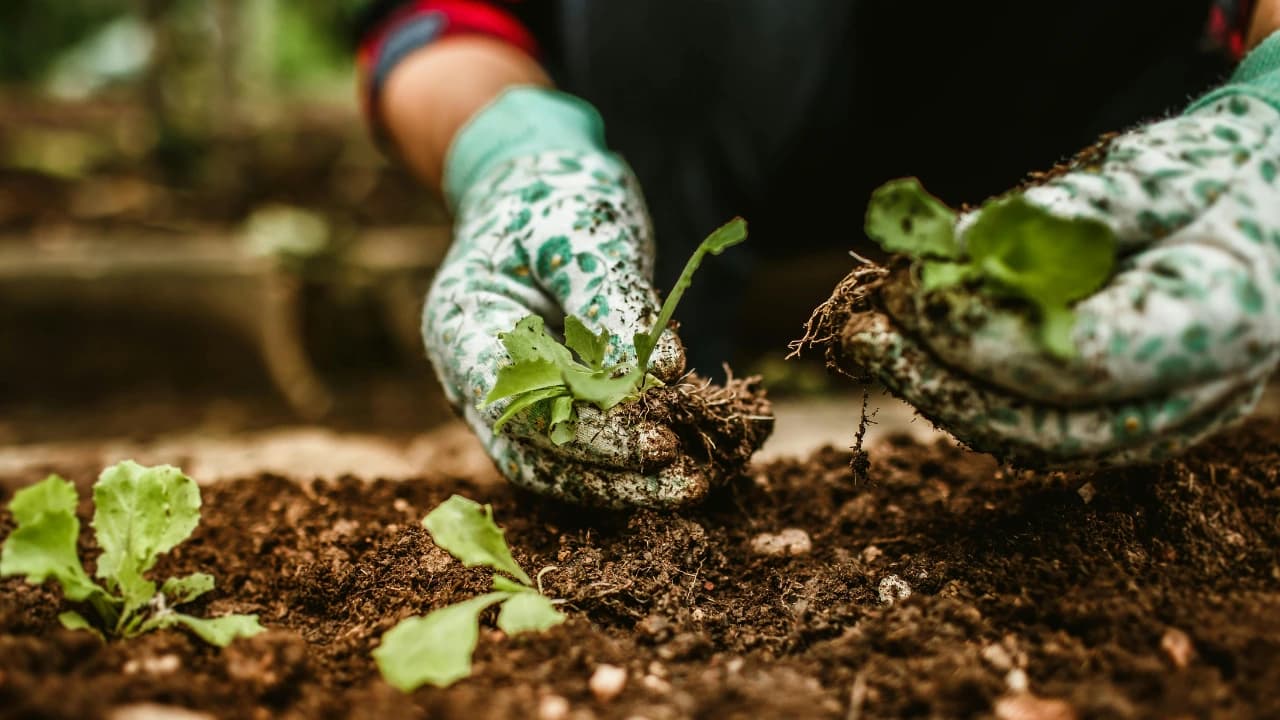
Organic gardening is more than growing plants. It is about creating a natural living system at home that gives fresh vegetables fruits and herbs without chemicals. Many beginners feel confused about where to start how to prepare soil and how to keep plants healthy without pesticides. The truth is organic gardening is simple once you understand the basics. You do not need expensive tools or a large space. Even a small balcony or backyard can become a productive green space. In this guide you will learn practical organic gardening tips for beginners that are easy to follow. By the end you will know how to grow healthy plants naturally and build your own chemical free food source at home.
Understanding Organic Gardening Basics
What makes gardening organic
Organic gardening means growing plants without synthetic fertilizers pesticides or genetically modified seeds. Instead it uses natural methods like compost manure and biological pest control. The goal is to work with nature instead of against it. In an organic garden the soil becomes the main source of plant nutrition. Healthy soil produces strong plants that resist disease naturally. This method is safe for humans animals and the environment. Beginners should focus on building soil health first rather than relying on chemical solutions. This creates long term sustainable growth and better tasting produce.
Benefits of organic gardening at home
Organic gardening offers many benefits that go beyond fresh food.
Healthier fruits and vegetables free from chemicals
Cost saving by reducing store bought produce
Better soil fertility over time
Environment protection through natural methods
Stress relief and mental wellness from gardening activity
Growing your own food also creates a deeper connection with nature. It improves patience and responsibility while providing daily satisfaction.
How to Prepare Soil for Organic Gardening
Importance of healthy soil
Soil is the foundation of every successful garden. Without rich soil plants cannot grow strong. Organic gardening focuses heavily on improving soil quality. Healthy soil contains microorganisms worms and nutrients that feed plants naturally. Beginners should always test soil texture before planting. Sandy soil drains quickly while clay soil holds too much water. The ideal soil is soft dark and crumbly.
Simple soil improvement methods
You can improve soil naturally using easy techniques.
Add compost regularly
Mix dry leaves and grass cuttings
Use kitchen waste like vegetable peels
Add cow manure or organic fertilizer
Keep soil loose by turning it gently
Over time these methods increase fertility and improve plant growth without chemicals.
Composting for Beginners
What is composting
Composting is the process of turning organic waste into nutrient rich soil. It is one of the most important organic gardening tips for beginners. Instead of throwing away kitchen waste you recycle it into plant food. Compost improves soil structure and provides natural nutrients.
Easy compost methods at home
You do not need special equipment for composting.
Use a small container or garden corner
Add fruit peels vegetable scraps and dry leaves
Avoid meat and oily food waste
Turn mixture every few days for air flow
Keep it slightly moist not wet
After a few weeks or months you will get dark rich compost ready for plants. This reduces waste and saves money.
Choosing the Right Plants
Best vegetables for beginners
Selecting easy plants increases success rate for beginners.
Tomatoes
Spinach
Coriander
Mint
Green chilies
Lettuce
These plants grow quickly and do not require advanced care. Start small and expand your garden gradually.
Seasonal planting guide
Plants grow best in their right season. Warm season crops include tomatoes and chilies. Cool season crops include spinach and lettuce. Understanding seasons helps you avoid plant failure and improve yield.
Watering and Sunlight Tips
How much water plants need
Watering is important but overwatering is a common mistake. Plants need consistent moisture not flooding.
Water early morning or evening
Check soil before watering
Keep soil moist but not soggy
Use spray watering for young plants
Each plant has different water needs so observe growth carefully.
Importance of sunlight exposure
Sunlight is essential for photosynthesis. Most vegetables need at least 5 to 6 hours of sunlight daily. Without sunlight plants become weak and pale. Place your garden where natural light is available. Balcony gardens should be rotated if needed to balance sunlight exposure.
Natural Pest Control Methods
Homemade pest control solutions
Chemical pesticides can harm soil and health. Organic gardening uses natural solutions.
Neem oil spray for insects
Garlic water spray for pests
Soap water solution for small bugs
Chili spray for leaf protection
These solutions are safe and effective when used regularly.
Preventing pests naturally
Prevention is better than cure.
Keep garden clean and weed free
Remove infected leaves immediately
Encourage beneficial insects like ladybugs
Use companion planting techniques
Healthy plants naturally resist pests better.
Maintenance Tips for Healthy Growth
Pruning and plant care
Pruning helps plants grow stronger. Remove dead or yellow leaves regularly. This allows plants to focus energy on new growth. Support climbing plants with sticks or nets. Regular care ensures better yield and healthier plants.
Common mistakes to avoid
Beginners often make simple mistakes.
Overwatering plants
Using poor quality soil
Planting too many seeds together
Ignoring sunlight needs
Using chemical fertilizers too early
Avoiding these mistakes improves gardening success significantly.
Conclusion
Organic gardening is a simple and rewarding practice that anyone can start at home. It does not require expensive tools or expert knowledge. By focusing on soil health composting natural pest control and proper watering you can grow healthy vegetables and herbs naturally. Beginners should start small and learn step by step instead of rushing into large gardens. Over time your garden will become more productive and easier to maintain. The key is consistency and patience. Organic gardening not only provides fresh food but also improves lifestyle mental peace and environmental health. Start today with a small pot or corner and slowly build your own green space filled with life and nutrition.
Frequently Asked Questions
Mint spinach and coriander are easiest because they grow quickly and need low maintenance.
No you only need basic tools like a small pot soil water and sunlight.
Yes you can grow plants in pots balcony rooftops or small containers easily.
Most plants need water 2 to 3 times a week depending on weather and soil type.
Yes it is healthier safer and improves soil quality over time.
Most vegetables take 30 to 90 days depending on type and season.