
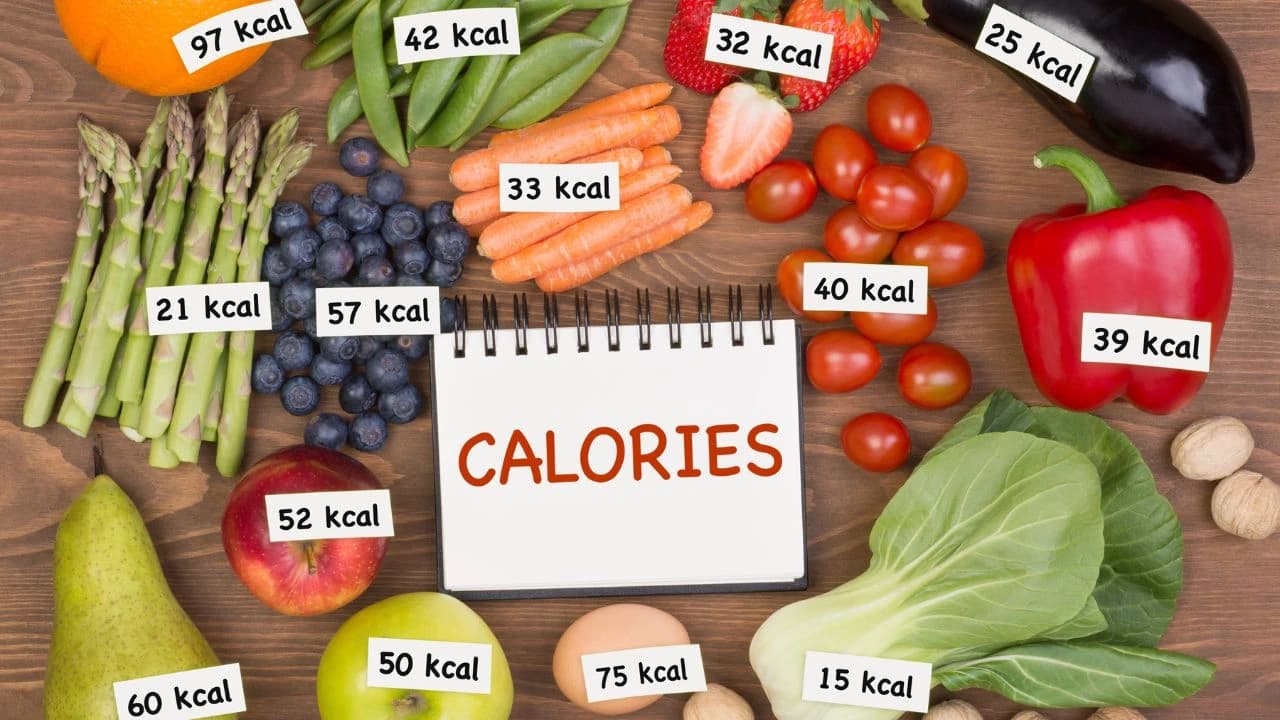
Many people start a weight loss journey with excitement only to quit after a few weeks. Strict diets often promise rapid results but leave you feeling hungry tired and frustrated. The truth is that successful weight loss is not about eating as little as possible. It is about creating healthy habits that you can maintain for years.
A well-designed low-calorie diet plan helps you lose excess body fat while still enjoying nutritious meals and feeling satisfied throughout the day. Instead of focusing on short-term restrictions this approach encourages balanced eating smart food choices and sustainable lifestyle changes. If you are looking for a realistic way to lose weight without starving yourself this guide will show you exactly how to create a low-calorie diet plan for sustainable weight loss and long-term success.
What Is a Low-Calorie Diet?
A low-calorie diet is an eating plan that reduces your daily calorie intake while still providing essential nutrients your body needs.
Calories are units of energy obtained from food and drinks. When you consume fewer calories than your body burns you create a calorie deficit. This calorie deficit encourages your body to use stored fat for energy leading to weight loss.
A healthy low-calorie diet focuses on:
Lean proteins
Fruits and vegetables
Whole grains
Healthy fats
Plenty of water
The goal is not starvation. The goal is proper nutrition with controlled calorie intake.
Why Sustainable Weight Loss Matters
Many crash diets can help people lose weight quickly. However most people regain the weight because the plan is difficult to maintain.
Sustainable weight loss focuses on:
Long-term habits
Balanced nutrition
Consistent progress
Better health outcomes
Improved energy levels
When weight loss occurs gradually your body adapts better and the chances of regaining lost weight decrease significantly.
How Many Calories Do You Need for Weight Loss?
The number of calories needed varies depending on age gender weight activity level and goals.
A common guideline is:
Women: 1200 to 1800 calories daily
Men: 1500 to 2200 calories daily
A moderate calorie deficit of 300 to 500 calories per day can help you lose approximately 0.5 to 1 pound per week.
Signs Your Calorie Intake Is Appropriate
Steady weight loss
Good energy levels
Reduced cravings
Better sleep quality
Improved mood
If you constantly feel exhausted hungry or weak your calorie intake may be too low.
Benefits of a Low-Calorie Diet Plan
A balanced low-calorie meal plan offers many health benefits beyond weight loss.
Supports Fat Loss
Reducing calories helps your body use stored fat as fuel leading to gradual fat loss.
Improves Heart Health
Weight loss can help lower:
Blood pressure
Cholesterol levels
Risk of heart disease
Better Blood Sugar Control
Eating nutritious low-calorie foods can improve insulin sensitivity and support healthy blood sugar levels.
Increased Energy
Nutrient-rich foods provide steady energy throughout the day without causing crashes.
Improved Confidence
Many people experience improved self-esteem as they achieve their health and fitness goals.
Best Low-Calorie Foods for Weight Loss
Choosing nutrient-dense foods makes it easier to stay within your calorie goals.
Lean Protein Sources
Protein helps preserve muscle mass and keeps you feeling full longer.
Examples include:
Chicken breast
Turkey
Fish
Eggs
Greek yogurt
Tofu
Lentils
Vegetables
Vegetables are low in calories and high in nutrients.
Great options include:
Spinach
Broccoli
Cucumber
Cauliflower
Bell peppers
Zucchini
Fruits
Fruits provide fiber vitamins and natural sweetness.
Best choices:
Apples
Berries
Oranges
Watermelon
Grapefruit
Whole Grains
Whole grains provide long-lasting energy.
Examples:
Brown rice
Oats
Quinoa
Whole wheat bread
Healthy Fats
Healthy fats improve satiety and support hormone function.
Include:
Avocados
Nuts
Seeds
Olive oil
Foods to Limit on a Low-Calorie Diet
Some foods provide many calories but little nutritional value.
Try to reduce:
Sugary drinks
Candy
Pastries
Fried foods
Fast food
Processed snacks
Excessive alcohol
You do not need to eliminate these foods completely. Moderation is key.
Sample Low-Calorie Diet Plan for Sustainable Weight Loss
Breakfast
Vegetable omelet with whole wheat toast
2 eggs
Spinach
Tomatoes
1 slice whole wheat bread
Approximate calories: 300
Morning Snack
1 apple
Green tea
Approximate calories: 100
Lunch
Grilled chicken salad
Mixed greens
Grilled chicken breast
Cucumber
Tomatoes
Light olive oil dressing
Approximate calories: 400
Afternoon Snack
Greek yogurt
Handful of berries
Approximate calories: 150
Dinner
Baked salmon with vegetables
Salmon fillet
Steamed broccoli
Brown rice
Approximate calories: 500
Evening Snack
Herbal tea
Small handful of almonds
Approximate calories: 150
Daily total: Approximately 1600 calories
How to Stay Full on a Low-Calorie Diet
Many people worry about hunger while dieting. The right food choices can make a huge difference.
Increase Protein Intake
Protein is one of the most filling nutrients available.
Include protein in every meal and snack.
Eat More Fiber
Fiber slows digestion and promotes fullness.
Good sources include:
Vegetables
Fruits
Beans
Oats
Whole grains
Drink More Water
Sometimes thirst is mistaken for hunger.
Aim for:
8 to 12 glasses daily
Eat Slowly
Eating slowly allows your brain to recognize fullness signals.
Prioritize Whole Foods
Whole foods are generally more filling than processed foods.
Common Mistakes That Slow Weight Loss
Skipping Meals
Skipping meals often leads to overeating later.
Drinking Calories
Sugary drinks can add hundreds of unnecessary calories.
Ignoring Portion Sizes
Even healthy foods can contribute to weight gain when consumed excessively.
Not Getting Enough Sleep
Poor sleep increases hunger hormones and cravings.
Being Too Restrictive
Extreme dieting often results in binge eating and burnout.
Combining Exercise With a Low-Calorie Diet
Exercise enhances weight loss and improves overall health.
Cardio Training
Examples include:
Walking
Running
Cycling
Swimming
Aim for at least 150 minutes weekly.
Strength Training
Strength training helps maintain muscle mass during weight loss.
Include:
Bodyweight exercises
Resistance bands
Weightlifting
Daily Movement
Simple activities also help burn calories.
Examples:
Taking the stairs
Walking after meals
Household chores
Tips for Long-Term Weight Management
Weight loss is only the beginning. Maintaining results requires consistency.
Set Realistic Goals
Focus on gradual progress instead of perfection.
Track Your Progress
Monitor:
Weight
Measurements
Energy levels
Fitness improvements
Plan Meals Ahead
Meal planning reduces unhealthy food choices.
Practice Mindful Eating
Pay attention to hunger and fullness signals.
Allow Flexibility
Enjoy favorite foods occasionally without guilt.
Balanced eating is more sustainable than strict rules.
Creating a Healthy Relationship With Food
Sustainable weight loss is not just about calories. It is also about mindset.
Avoid labeling foods as good or bad.
Instead:
Focus on balance
Practice moderation
Enjoy meals mindfully
Celebrate progress
Learn from setbacks
Healthy habits built over time create lasting results.
Conclusion
A low-calorie diet plan for sustainable weight loss is one of the most effective ways to improve your health and achieve lasting results. Rather than chasing quick fixes or extreme diets focus on creating a moderate calorie deficit through balanced nutrition and healthy lifestyle habits. Fill your plate with lean proteins vegetables fruits whole grains and healthy fats while limiting highly processed foods. Combine smart eating with regular exercise proper sleep and consistency. Remember that successful weight loss is a journey not a race. Small daily improvements add up over time and help create permanent habits that support a healthier body increased energy and long-term weight management. Start today and focus on progress that you can maintain for life.
Frequently Asked Questions
Most women lose weight on 1200 to 1800 calories per day while many men lose weight on 1500 to 2200 calories per day depending on activity level and body size.
Yes. Eating protein-rich foods fiber-rich vegetables fruits and drinking enough water can help reduce hunger while maintaining a calorie deficit.
Limit sugary drinks fried foods processed snacks pastries and high-calorie fast foods that provide little nutritional value.
A healthy rate is approximately 0.5 to 1 kilogram per week depending on your calorie deficit and activity level.
While weight loss is possible through diet alone exercise improves fat loss supports muscle retention and enhances overall health.