
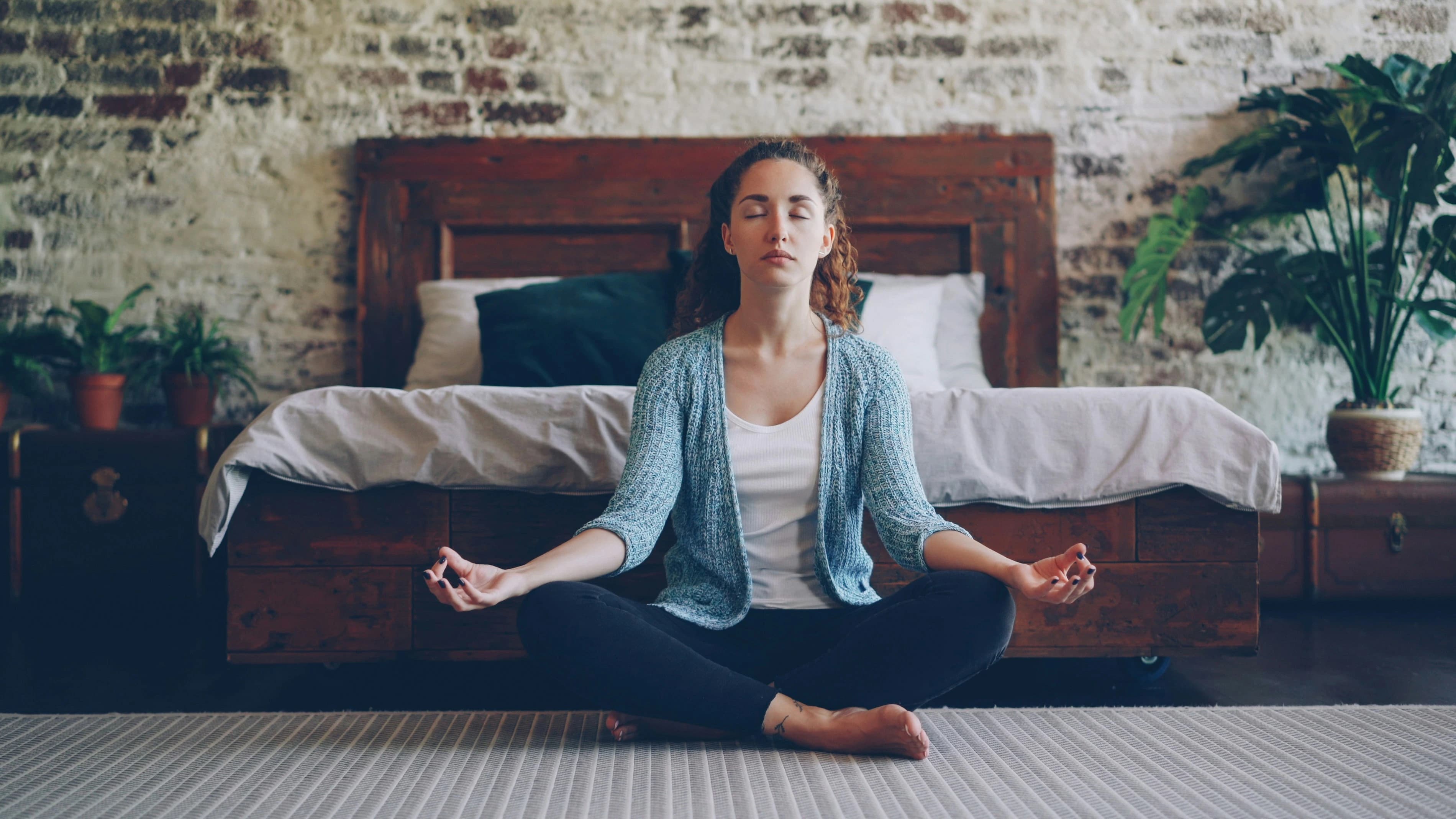
Have you ever noticed how difficult it becomes to enjoy life when your mind is constantly filled with stress worries and endless thoughts?
Modern life moves faster than ever before. People wake up checking notifications rush through busy schedules deal with work pressure and spend hours scrolling through social media. While technology has made life easier in many ways it has also created a world where mental overload has become common. Many people achieve financial success yet still struggle to find happiness because their minds never truly rest.Mental peace is not simply the absence of problems. It is the ability to remain calm balanced and emotionally stable even when life becomes challenging.
A peaceful mind allows you to think clearly make better decisions build stronger relationships and enjoy the present moment.Imagine two people facing the same challenge. One reacts with panic frustration and anxiety while the other remains calm and focused. The difference is not luck or intelligence. The difference is mental peace. In today's fast-paced world mental peace is no longer a luxury. It has become a necessity for physical health emotional well-being productivity and long-term happiness. Understanding its importance can transform every aspect of your life.
What Is Mental Peace?
Mental peace refers to a state of inner calm where the mind remains balanced despite external circumstances. A peaceful person does not avoid problems. Instead they manage challenges without allowing stress to control their thoughts and emotions.
Characteristics of Mental Peace
Emotional stability
Positive thinking
Reduced anxiety
Better focus
Self-awareness
Acceptance of situations
Healthy relationships
Why Mental Peaces is More important than Ever
Modern lifestyles expose people to constant pressure.
Common Sources of Stress
Work deadlines
Financial concerns
Family responsibilities
Social media comparison
Information overload
Health worries
The Growing Mental Health Crisis
Millions of people experience stress anxiety and burnout because they rarely take time to care for their minds. Without mental peace people often struggle with:
Lack of concentration
Poor sleep
Emotional exhaustion
Relationship conflicts
Reduced productivity
The Connection Between Mental Peace and Physical Health
The mind and body are deeply connected.When your mind experiences constant stress your body reacts as if it is facing danger.
How Stress Affects the Body
Chronic stress may lead to:
High blood pressure
Weakened immune system
Digestive issues
Fatigue
Headaches
Sleep disorders
Benefits of Mental Peace for Physical Health
A peaceful mind helps:
Lower stress hormones
Improve heart health
Strengthen immunity
Increase energy levels
Improve sleep quality
People who maintain mental peace often enjoy better overall health and a higher quality of life.
Mental Peace Improves Decision Making
Have you ever made a poor decision when angry or stressed?
Strong emotions often cloud judgment.
Why Calm Minds Make Better Decisions
Mental peace allows you to:
Think logically
Analyze situations clearly
Control impulsive reactions
Focus on solutions
Successful leaders entrepreneurs and professionals often emphasize emotional control because it improves decision making under pressure.
Practical Example
Imagine receiving criticism at work.
Without mental peace:
You react emotionally
You become defensive
Conflict increases
With mental peace:
You listen carefully
Evaluate the feedback
Learn and improve
The outcome becomes far more productive.
How Mental Peace Enhances Productivity
Many people believe working harder leads to success.
In reality working with a calm and focused mind often produces better results.
Benefits for Productivity
Better concentration
Increased creativity
Improved time management
Higher motivation
Reduced burnout
When your mind is free from unnecessary stress you can focus your energy on meaningful work.
Daily Productivity Habits
Start the day calmly
Prioritize important tasks
Take regular breaks
Practice mindfulness
Avoid multitasking
These habits support both productivity and mental well-being.
The Role of Mental Peace in Relationships
Healthy relationships require patience understanding and emotional balance.
When stress dominates the mind even small disagreements can become major conflicts.
How Mental Peace Improves Relationships
Better communication
Increased empathy
Reduced arguments
Stronger emotional connections
People who are at peace with themselves often create healthier relationships with others.
Building Peaceful Relationships
Listen actively
Avoid reacting impulsively
Practice forgiveness
Express gratitude
Spend quality time together
Strong relationships become easier when inner peace exists.
Mental Peace and Happiness
Many people chase happiness through money possessions and achievements.
While these things can improve life they do not guarantee lasting happiness.
True Happiness Comes from Within
Mental peace helps you:
Appreciate the present moment
Reduce negative thinking
Enjoy simple experiences
Feel content with life
People often discover that inner peace creates a deeper form of happiness than external success alone.
Daily Habits That Create Mental Peace
Achieving mental peace does not happen overnight.
It develops through consistent habits.
Practice Mindfulness
Mindfulness means paying attention to the present moment.
Benefits include:
Reduced stress
Better focus
Emotional balance
Even five minutes daily can make a difference.
Exercise Regularly
Physical activity releases chemicals that improve mood and reduce stress.
Examples:
Walking
Running
Yoga
Cycling
Maintain Healthy Sleep
Quality sleep supports emotional stability and mental clarity.
Tips include:
Consistent bedtime
Limiting screen time before sleep
Creating a relaxing environment
Limit Social Media
Excessive social media can increase comparison anxiety and stress.
Try:
Setting screen limits
Taking digital breaks
Following positive content
Practice Gratitude
Writing down three things you are grateful for each day can shift your focus toward positivity.
Common Obstacles to Mental Peace
Many people unknowingly create barriers to inner peace.
Negative Thinking
Constantly focusing on worst-case scenarios increases stress.
Perfectionism
Trying to be perfect often leads to frustration and burnout.
Comparing Yourself to Others
Everyone has a different journey.
Comparison steals joy and creates unnecessary pressure.
Lack of Boundaries
Saying yes to everything can overwhelm your mind.
Learning to set boundaries protects your mental health.
How to Achieve Mental Peace in a Busy World
Modern life may be hectic but peace is still possible.
Create Quiet Time Daily
Spend at least 15 minutes alone without distractions.
Focus on What You Can Control
Energy spent worrying about uncontrollable situations creates unnecessary stress.
Simplify Your Life
Reduce clutter commitments and distractions.
Practice Deep Breathing
Slow breathing helps calm the nervous system quickly.
Accept Imperfection
Life does not need to be perfect to be meaningful.
Acceptance creates freedom.
Mental Peace and Personal Growth
Personal growth becomes easier when the mind is calm.
A peaceful mind:
Learns faster
Adapts better
Handles setbacks effectively
Maintains motivation
Growth and peace work together to create a fulfilling life.
Signs You Have Achieved Greater Mental Peace
You may notice:
Less anxiety
Better emotional control
Improved sleep
Increased happiness
Greater confidence
Better relationships
More gratitude
These signs indicate a healthier and more balanced mindset.
Conclusion
Mental peace is one of the most valuable assets a person can possess in modern life. In a world filled with constant distractions pressure and uncertainty maintaining inner calm has become essential rather than optional. A peaceful mind improves physical health strengthens relationships enhances productivity and creates lasting happiness.
The good news is that mental peace is not reserved for a select few. It can be developed through simple daily habits such as mindfulness exercise gratitude healthy sleep and positive thinking. Small consistent actions often produce powerful long-term results. A peaceful mind truly becomes the key to a meaningful and fulfilling life.
Frequently Asked Questions
Mental peace helps reduce stress improve emotional well-being increase productivity strengthen relationships and support better physical health.
You can achieve mental peace through mindfulness exercise quality sleep gratitude journaling and limiting unnecessary stress.
Yes. Mental peace can lower stress hormones improve sleep strengthen immunity and support heart health.
Signs include emotional stability better focus reduced anxiety improved relationships and greater life satisfaction.
Yes. Meditation is one of the most effective practices for calming the mind reducing stress and improving emotional balance.
Excessive social media use can increase comparison anxiety stress and information overload which may reduce mental peace.
Excessive social media use can increase comparison anxiety stress and information overload which may reduce mental peace.