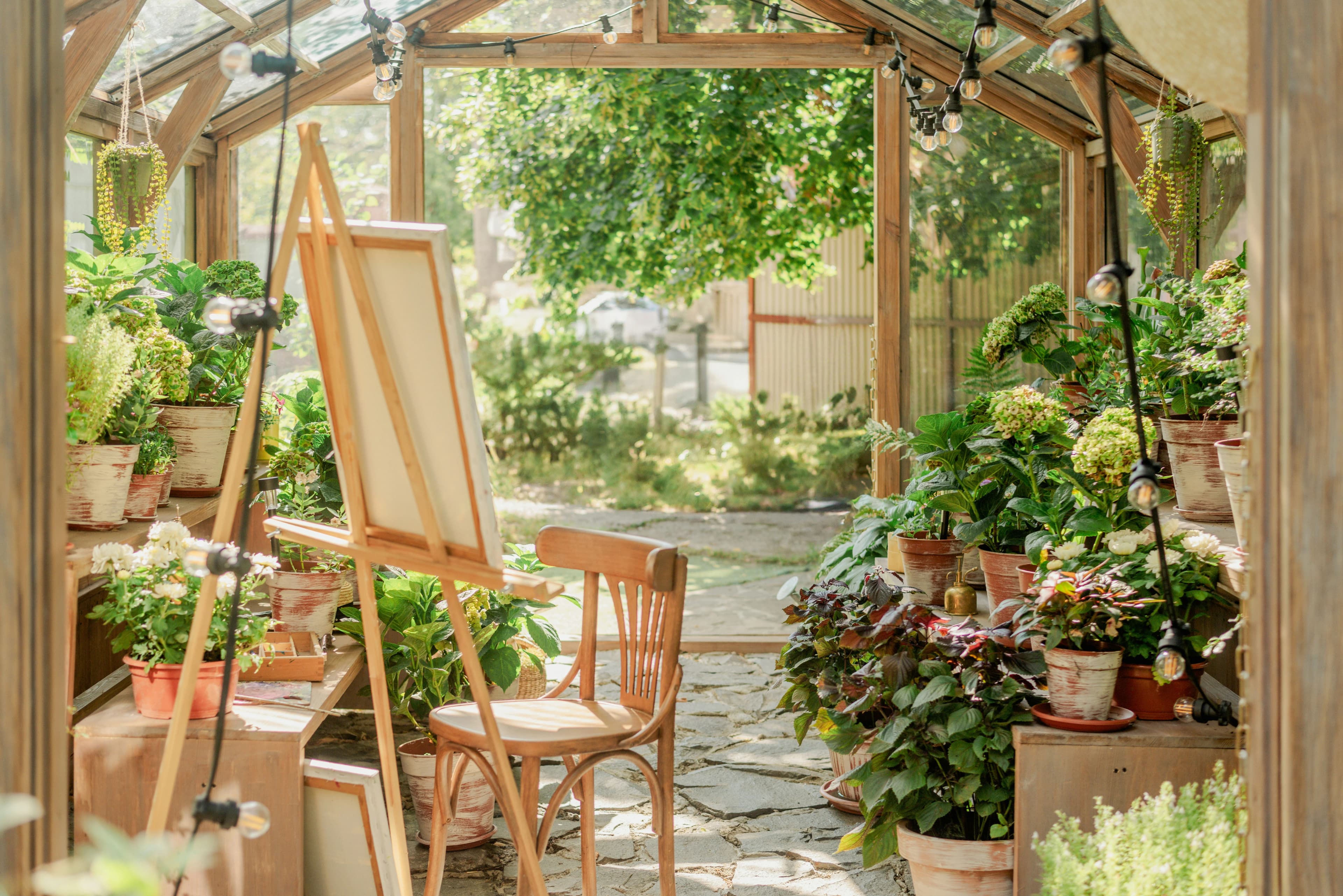
Imagine walking through your garden and seeing colorful flowers blooming alongside fresh basil crisp lettuce, vibrant peppers and fragrant rosemary. This is the beauty of foodscaping a gardening method that blends ornamental plants with edible crops to create a landscape that is both attractive and functional.Traditional gardens often separate flower beds from vegetable patches. Foodscaping removes that barrier and allows homeowners to enjoy the best of both worlds. Instead of dedicating one area to flowers and another to vegetables foodscaping integrates them into a cohesive design. As sustainability and home gardening continue to grow in popularity foodscaping has become one of the most exciting gardening trends of 2026. Whether you have a large backyard a small front yard or a compact garden border foodscaping can help you maximize your space while producing fresh herbs and vegetables.
What Is Foodscaping?
Foodscaping is the practice of incorporating edible plants into ornamental landscapes. It combines:
Decorative flowers
Culinary herbs
Leafy greens
Vegetables
Edible flowers
Fruit-bearing plants
The goal is to create a garden that looks beautiful while providing fresh produce for your kitchen.Unlike traditional vegetable gardens that focus mainly on production foodscaping emphasizes visual appeal making edible plants part of the overall landscape design.
Benefits of Foodscaping
Saves Money on Groceries
Growing your own herbs and vegetables can significantly reduce grocery expenses. Fresh basil, lettuce, parsley, tomatoes and peppers can be harvested right from your garden.
Basil
Mint
Parsley
Lettuce
Cherry tomatoes
Bell peppers
Enhances Curb Appeal
Foodscaping creates attractive garden borders that impress visitors while remaining practical.
Many edible plants are naturally beautiful:
Purple basil adds rich color
Rainbow chard creates vibrant displays
Kale provides dramatic foliage
Rosemary offers structure and texture
Supports Sustainable Living
Foodscaping contributes to sustainability by:
Reducing food transportation
Lowering packaging waste
Supporting pollinators
Encouraging organic gardening
A foodscaped garden benefits both your household and the environment.
Encourages Healthy Eating
People are more likely to eat fresh vegetables when they are growing in their own gardens.
Studies show that home gardeners often consume:
More vegetables
More herbs
Fewer processed foods
Planning Your Foodscaping Garden
Before planting create a basic plan.
Evaluate Your Space
Consider:
Sunlight
Most vegetables need:
6–8 hours of sunlight daily
Soil Quality
Healthy soil is essential for successful foodscaping.
Water Access
Ensure plants can be watered consistently.
Existing Flower Borders
Look for opportunities to replace purely ornamental plants with edible alternatives.
Choosing the Right Flowers
Not all flowers need to be removed. Many flowers work beautifully with vegetables and herbs.
Marigolds
Marigolds are among the best companion plants.
Benefits:
Repel pests
Add bright color
Attract pollinators
Nasturtiums
Nasturtiums are both ornamental and edible.
Benefits:
Edible flowers
Vibrant colors
Natural pest management
Zinnias
Zinnias attract butterflies and pollinators while adding long-lasting blooms.
Sunflowers
Sunflowers create vertical interest and provide support for climbing vegetables.
Best Herbs for Flower Borders
Herbs are ideal foodscaping plants because they are attractive, fragrant and productive.
Basil
Basil adds lush greenery and pairs beautifully with flowers.
Growing Tips
Full sun
Regular watering
Well-drained soil
Rosemary
Rosemary provides structure similar to ornamental shrubs.
Benefits
Evergreen appearance
Drought tolerant
Fragrant foliage
Thyme
Thyme works wonderfully along border edges.
Why It Works
Low-growing habit
Attractive flowers
Minimal maintenance
Sage
Sage offers beautiful silver-green foliage and culinary value.
Parsley
Parsley fills empty spaces with dense green growth.
Best Vegetables for Foodscaping
Many vegetables are surprisingly decorative.
Lettuce
Lettuce creates colorful layers in flower borders.
Popular Varieties
Red leaf lettuce
Butterhead lettuce
Romaine lettuce
Cherry Tomatoes
Cherry tomatoes add height and bright colors.
Benefits
High productivity
Attractive fruit clusters
Easy to grow
Bell Peppers
Bell peppers provide visual interest with colorful fruits.
Colors Include
Green
Red
Yellow
Orange
Kale
Kale is one of the most decorative edible plants available.
Its textured leaves create a dramatic appearance in borders.
Carrots
Carrot foliage adds delicate texture and softness to flower beds.
Design Principles for Beautiful Foodscaping
Layer Plants by Height
Arrange plants according to their mature size.
Back Layer
Sunflowers
Tomatoes
Rosemary
Middle Layer
Basil
Peppers
Kale
Front Layer
Thyme
Lettuce
Parsley
This creates a balanced and visually appealing garden.
Mix Colors Strategically
Use contrasting colors for maximum impact.
Purple basil + yellow marigolds
Red lettuce + white flowers
Green herbs + orange nasturtiums
Color diversity creates a professional landscape design.
Combine Different Textures
Mix plants with:
Large leaves
Fine foliage
Upright growth
Trailing habits
Texture variation makes gardens more interesting.
Foodscaping for Small Spaces
Even small gardens can benefit from foodscaping.
Balcony Foodscaping
Ideal plants include:
Basil
Mint
Parsley
Lettuce
Cherry tomatoes
Use:
Containers
Hanging baskets
Vertical planters
Front Yard Foodscaping
Replace ornamental shrubs with edible alternatives like:
Rosemary
Kale
Swiss chard
Blueberry bushes
Raised Bed Foodscaping
Raised beds allow better control over:
Soil quality
Plant spacing
Water management
Watering and Maintenance Tips
Water Consistently
Vegetables generally require more water than ornamental plants.
Water deeply
Water early in the morning
Avoid wetting leaves
Mulch the Soil
Benefits of mulch:
Retains moisture
Reduces weeds
Improves soil health
Organic mulch is ideal for foodscaping gardens.
Feed Plants Regularly
Use:
Compost
Organic fertilizers
Worm castings
Healthy soil produces healthier plants.
Attract Pollinators Naturally
Pollinators improve harvests and support garden health.
Plant:
Lavender
Zinnias
Marigolds
Cosmos
Sunflowers
These attract:
Bees
Butterflies
Beneficial insects
Common Foodscaping Mistakes to Avoid
Overcrowding Plants
Too many plants can reduce airflow and increase disease risk.
Ignoring Sunlight Requirements
Vegetables need adequate sunlight for productive growth.
Choosing Only Decorative Plants
Foodscaping should balance beauty and food production.
Poor Plant Placement
Tall plants should not block sunlight from smaller crops.
Neglecting Maintenance
Regular pruning, watering and harvesting are necessary for success.
Foodscaping Trends for 2026
Popular trends include:
Edible front yards
Pollinator-friendly landscapes
Organic gardening
Vertical foodscaping
Herb-focused borders
Sustainable urban gardening
These trends help homeowners maximize beauty and productivity simultaneously.
Conclusion
Foodscaping is one of the smartest gardening methods for modern homeowners. By blending herbs vegetables and flowers into the same landscape you create a garden that is both beautiful and productive. You start with a small flower border a raised bed or a balcony planter foodscaping allows you to grow fresh food while enhancing your outdoor space. Begin with easy-to-grow herbs like basil and rosemary add colorful vegetables such as lettuce and peppers and complement them with pollinator-friendly flowers.With thoughtful planning and simple maintenance your flower borders can become a vibrant edible landscape that provides beauty flavor and sustainability for years to come.
Frequently Asked Questions
Foodscaping is the practice of combining edible plants such as herbs and vegetables with ornamental flowers in landscape design.
Foodscaping is the practice of combining edible plants such as herbs and vegetables with ornamental flowers in landscape design.
Yes. Beginners can start with easy herbs like basil, parsley, rosemary, and mint alongside traditional flowers.
Lettuce, kale, Swiss chard, peppers, carrots, and cherry tomatoes are excellent choices for decorative edible gardens.
Most vegetables and herbs require at least 6–8 hours of direct sunlight daily.