
Have you bought healthy groceries but struggled to create balanced meals afterward? Thrive Market can simplify shopping and help you choose better pantry staples. Many shoppers want healthier meals but face confusing labels, limited time, and crowded grocery aisles. As a result, they often choose convenient foods without checking ingredients carefully. Fortunately, a practical clean eating grocery list can make healthier shopping much easier. You only need a simple system that supports your meals, budget, and routine.
Why Does Healthy Grocery Shopping Feel Difficult?
Too Many Choices Create Confusion
Grocery stores offer countless products that appear healthy at first glance. However, attractive packaging does not always guarantee better ingredients. Therefore, focus on ingredient quality instead of relying on marketing claims. A short ingredient list can make product comparisons easier.
Convenience Can Influence Your Choices
Busy schedules can push you toward heavily processed foods. Meanwhile, fresh ingredients often require more planning and preparation. However, you can solve this problem by keeping versatile staples available. These foods can support quick breakfasts, lunches, dinners, and snacks.
What Should a Clean Eating Grocery List Include?
Choose Better Pantry Staples
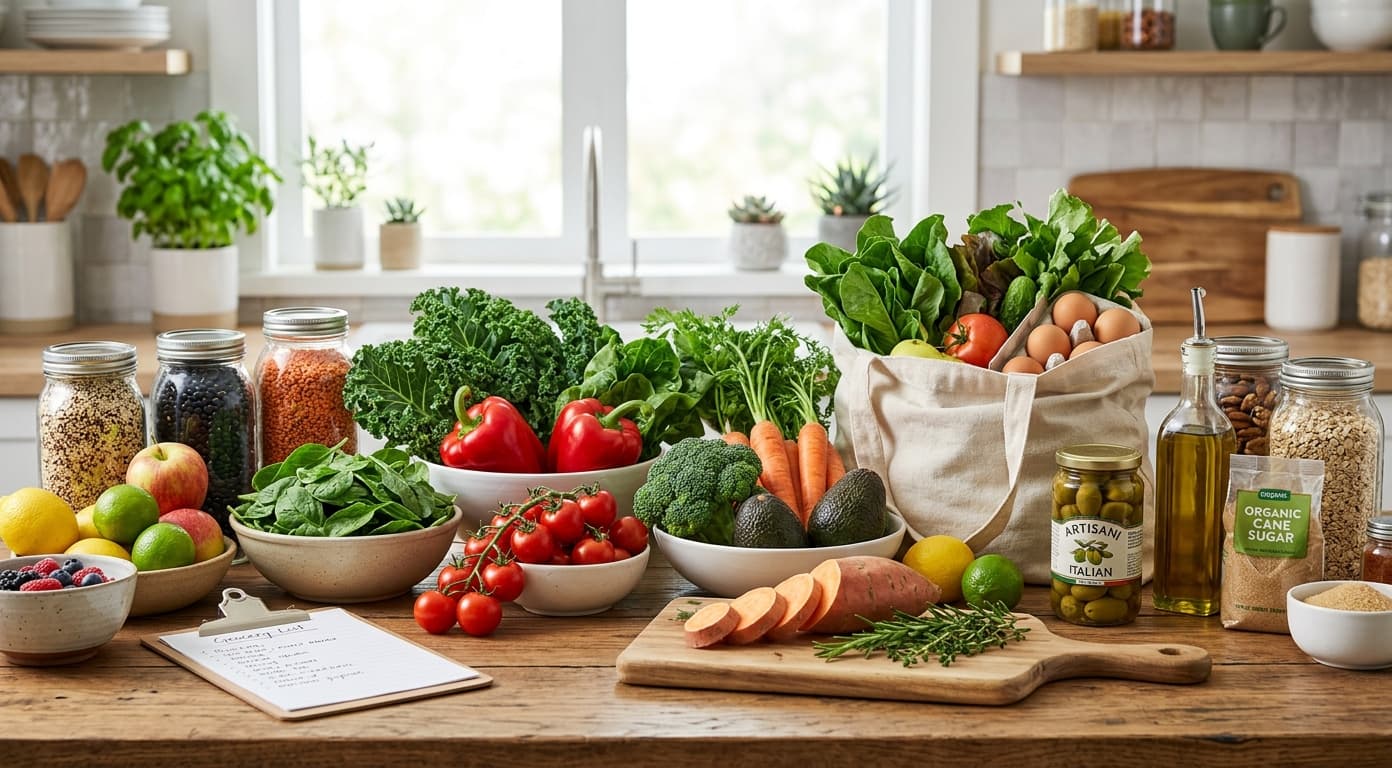
Start with foods that provide flexibility across multiple recipes. Whole grains, beans, nuts, seeds, and minimally processed foods offer excellent options. For example, organic cane sugar can provide a straightforward sweetening option. Still, use added sugar moderately within an overall balanced diet. Likewise, Italian olives can add flavor to salads, grain bowls, and sandwiches. Their bold taste can make simple dishes more satisfying.
Prioritize Ingredients You Will Actually Use
A healthy grocery list should match your actual eating habits. Otherwise, unused ingredients can create unnecessary waste. Before shopping, review your weekly meals and identify overlapping ingredients. Then, choose foods that work across several dishes.
How Can You Shop More Efficiently?
Plan Meals Before You Shop
Start by choosing three or four main meals for the week. Next, identify the ingredients required for each recipe. Then, group purchases into produce, proteins, grains, and pantry staples. This approach keeps shopping focused and reduces impulse purchases.
Compare Ingredients Carefully
Do not judge products solely by front-label claims. Instead, check ingredient lists, serving sizes, and nutrition information. Furthermore, compare similar products before choosing one. This habit can help you identify simpler ingredients and suitable options.
Where Can You Find Better Pantry Options?
Consider a Convenient Online Marketplace
Finding quality ingredients becomes easier when you shop through a curated marketplace. Thrive Market provides a convenient way to browse grocery categories online. Instead of walking through multiple aisles, you can compare pantry staples from home. Consequently, online shopping can make your routine more organized. However, convenience should support smart choices rather than replace them. Always review ingredients and select products that fit your eating goals.
What Are the Benefits of Upgrading Your Grocery Routine?
Save Time During Weekly Shopping
A structured shopping system reduces repeated decision-making. You already know which staples support your planned meals. Therefore, you can spend less time browsing and more time preparing enjoyable food.
Reduce Unnecessary Purchases
A focused grocery list can also protect your budget. When you shop with specific meals in mind, impulse purchases become less tempting. Additionally, versatile ingredients can serve multiple recipes. This strategy helps you get greater value from every shopping trip.
Build More Consistent Eating Habits
Consistency becomes easier when your kitchen contains useful ingredients. You can prepare balanced meals without constantly starting from scratch. Over time, this approach can make clean eating feel less complicated and more sustainable.
How Can You Create Your Own Clean Eating Grocery List?
Start With Five Simple Categories
Create sections for vegetables, fruits, proteins, whole-food carbohydrates, and pantry staples. Then, add ingredients based on your weekly meals. Include leafy greens, berries, eggs, beans, whole grains, nuts, and seeds. You can also include italian olives for flavorful meal additions.
Keep a Flexible Pantry
Choose staples that work with several recipes. For example, grains, beans, spices, oils, and sauces create many combinations. You can also keep organic cane sugar for occasional baking or sweetening needs. Moderation remains important when using added sweeteners.
Review Your List Before Checkout
Finally, check every item against your meal plan. Remove duplicates and products you probably will not use.This final review can keep your cart practical, affordable, and aligned with your goals.
Make Healthy Shopping Feel Simpler
A successful clean eating grocery list does not require complicated rules. Instead, it requires thoughtful planning and ingredients that fit your lifestyle. Thrive Market can support this process by making quality grocery options easier to browse and compare. Still, informed choices should guide your shopping decisions. Start small, choose versatile ingredients, and build realistic habits. With the right approach, smarter grocery shopping can become part of everyday life.